
Know Your Surgery Risks
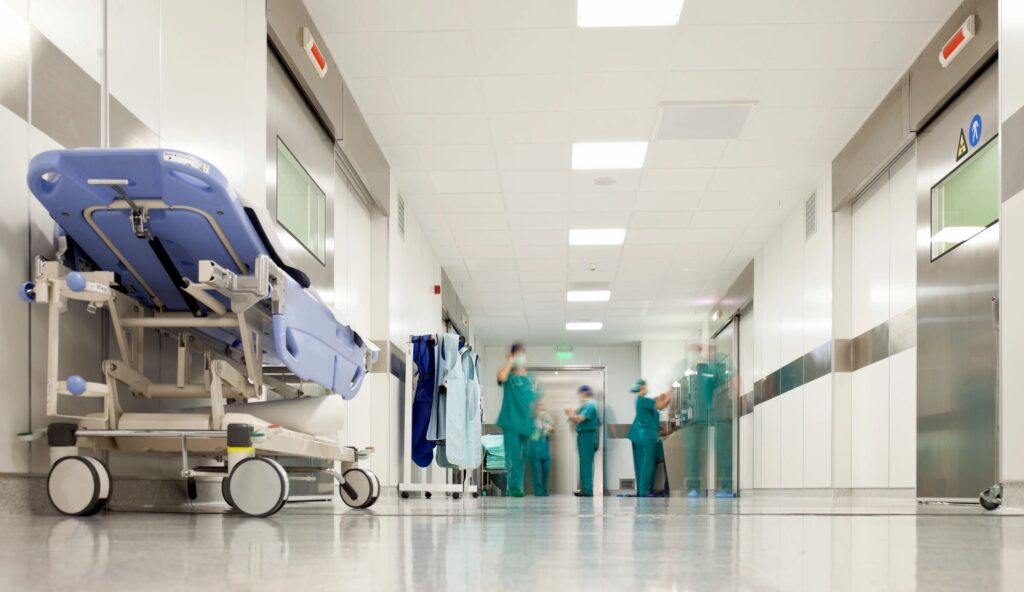
Before having your surgery, find out about all the risks and not just pertaining to your issue (though these are equally important). There are post-surgery risks as well, and they may not be brought up in your surgery discussions. I had no idea of what I would go through after surgery but found out my issues are not uncommon. This is what I learned – and to know your surgery risks before surgery.
You might experience numbness in areas where the nerves were cut, harmed, destroyed or disconnected. The damage might be too great to work out the numbness, though it may clear up in up to a year from surgery. If numbness may set in, and can you deal with it? My numbness is on the outside of my left foot, after working its way down my leg, which was completely numb. I notice it but it isn’t harming anything or keeping me from using it. I can feel pain and sensations, but it remains numb. I tried to activate the nerves in various ways, but nothing helped. It started with my entire left leg being numb, but the numbness kept decreasing until only the bottom of the side of my left foot remains numb after a year from surgery (nerves should reconnect by a year).
There are other surgery risks as well. Know your surgery risks. Anesthesia can cause issues if there is an allergy to the drugs, or if the effect lessens while in surgery. Lungs may be stressed and need to work back up. Will you need extra blood during surgery, and how comfortable are you with that (and its absolute compatibility)? I needed extra blood bags because I was on blood thinners, and it was risky for me to bleed out, even though the blood thinners were stopped several hours prior to surgery.
The anesthesia was given to me intubated – a tube down my throat. I had a sore dry throat the entire day after (and I was intubated 5 times in that period of 10 days in the hospital). I wanted water but no water was allowed for some time. A warm tea is more soothing for the sore throat but any liquid for the dryness would have been nice.
Blood clotting is another surgery risk. This can be very serious. Make sure to let the doctors know if you have swelling, discoloration, or pain in any area – my left leg swelled up and was pink, with extreme groin pain that spread to the leg. I had to get an ultrasound and then go straight to the emergency room, where they gave me a heparin IV (blood thinner). The next day I had to have a blood clot removal process – they gave me two choices. One choice was to lose the use of my left leg plus risk a clot breaking off and ending up in my lung, heart or brain – which would kill me. The other choice was to get the clots taken out and a stent put in, and of course I opted for that. I was on blood thinners for over 6 months after that.
From now on, I need to use compression socks on long travel, in high altitudes and such. Movement of my legs while sitting for long is crucial. It is possible that my blood can now thicken more easily than it used to, so I need to drink a lot. I need a yearly ultrasound to make sure everything is flowing well and he stent is working.
In the hospital, I had an evening where my arms and hands could not move – and I panicked. I could not hit the “nurse call button” – I finally was able to get my body over to it and push it. Then came in shortly after 3 nurses, and EKG machine and all! They pulled my gown off and put pads all over me then monitored me. After some hours, my feeling came back – after they let me drink something. The next day the doctors figured out that when I had my blood clots taken out, my arms were flopped in an unnatural position for hours. Apparently, the arms were stressed, and the pain episode was real. I hope no one else has to deal with anything like that – it was scary!
Your lungs may be weakened – you need to learn to breathe in deeply and to exhale fast and deeply with a spirometer (I was issued one in the hospital), with oxygen supplementation if your system isn’t getting enough oxygen. You may have to take an oxygen tank home with you and contract for a longer time.
When you get home, you might need a cane, crutches, or a walker right away. Have one ready for you if needed. You might need other equipment or home modifications – perhaps a bar in the shower to hold on to or a shower stool to sit on, or any helpful shower aids. You might need oxygen for a time after surgery until you can breathe well enough again. Do you need to sleep on a lower level to avoid stairs?
Find out what type of pain you should expect and for how long – you will likely get pain meds to take but try not to use them until you need them, unless you are told to take them before any pain begins (It might be tougher to get relief if you wait until pain starts to take the pain killer). I took them on a schedule for some days then went longer in between until I could just take it when in more pain, like after physical therapy. I did not want to get addicted so I tried to get off them as soon as I could. I later took Chinese pain relief pills from a recommendation of my acupuncturist, and they do help.
Do you need to arrange physical therapy soon after getting home or in some weeks after?
What can you do to break up scar tissue or keep it from forming so not to cause issues? My physical therapist and massage therapist used cupping, running along the incision lines. I put coconut oil on the incision when allowed. I was given exercises and stretches to build up the muscle area. I didn’t build up scar tissue.
You might need a stool softener because both the medications given to you and lack of activity may keep you stuffed up. As soon as you can start walking or getting whatever activity you can. Eat healthy and perhaps add prunes and raisins to help. A suppository or stool softener might be needed if nothing else works.
Work on balance when you can. Try to stand on one leg for increasing seconds and then the other one. Brush your teeth with one foot for a minute then switch the foot for another minute. Start near a wall or counter you can grab if you lose your balance. Balance is very important.
One issue I had after surgery – I got plantar fasciitis from lying down so much with my feet relaxed. When in the hospital or recovering at home, make sure to stretch your feet and try to sleep with them at close to 90-degree angle from the leg. Don’t let the muscles tighten up. I had to get an injection, shoe inserts, and do exercises to stretch the foot for months. I am recovered now but continue to do the stretches.
Another issue I had is that a cavity developed under a tooth – the few days of being drugged up and unable to brush my teeth, and not flossing at all, while in the hospital allowed sugars to eat under the gum-line of one tooth. Take a toothbrush in a holder plus travel toothpaste and floss or floss picks or toothpicks (search these terms at the link) to the hospital.
Surgery – the gift that keeps giving. I never knew to pay attention to these things. I should have packed other things like face cleansing pads and face lotion, deodorant, a couple washcloths (they did not allow me to bathe for days, nor schedule a nurse cloth wipe session) for at least the underarms and privates. I should have packed a toothbrush (though one was given to me at the hospital with a small tube of toothpaste I would never have bought – both were quite strange), toothpaste and floss.
Ask your surgeons about all risks so you will know if you can deal with (if it’s a life-threatening risk you have few choices but to do it, else decide if you need the surgery). I am sure there are many other risks and things to prepare for. People with certain health issues might have extra risks. Make a list of all your concerns and questions. The above are what I experienced and did not know about prior to surgery. So, know your surgery risks before going into surgery.
PR