
Blood Clots Are Serious – What to Look for
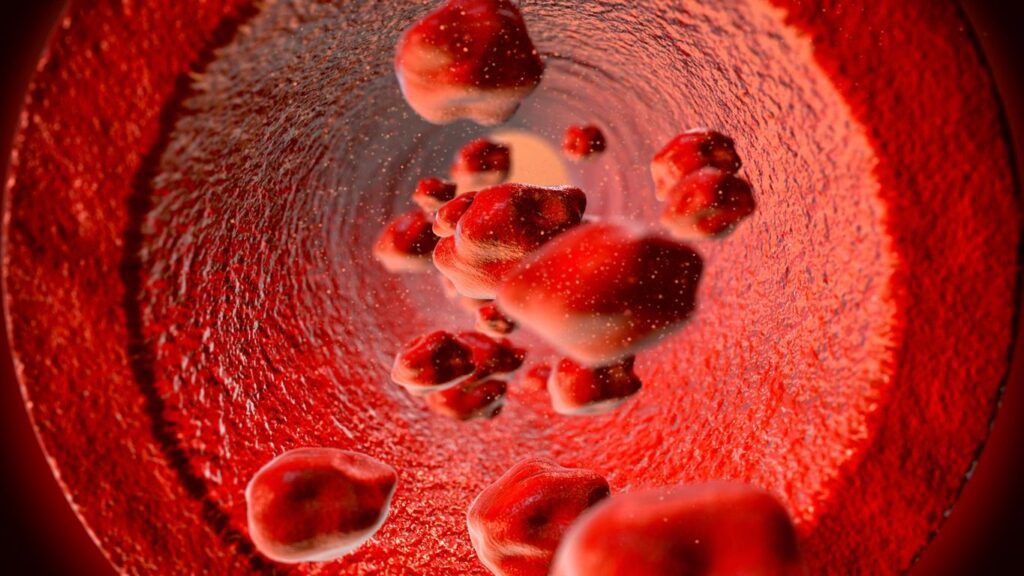
After my surgery, I ended up with a blood clot in my leg (or a lot of them, rather). I did not know what was happening when the clotting happened. I was initially discharged from the hospital to go home to recover there. Blood clots are serious. I now know what a blood clot feels like.
I was walking to build up my strength (after being discharged from lumbar surgery) and suddenly my left leg failed – I could not walk at all and had to rest. I was able to walk again but the leg failed again. I tried to walk again, and it failed a third time. I did not know if I was overdoing it too soon after surgery. I made it to the front porch bench and had no energy to go into the house for a while.
That evening, I had horrific pain in the left groin – it was so bad that I could not sleep. By morning my left leg was swollen and pink. I called the surgeon office to explain, and they said I needed a targeted ultrasound immediately. I called for an appointment and was told I could get one the next day. I called the surgeon office again and they said that will not do – they would get an ultrasound appointment for me (I probably had no good idea of what to ask for because I had no inkling of the urgency). Soon I got a call for an afternoon appointment.
I had a targeted ultrasound done (not just any ultrasound would show what they needed to look for – it needed a special technician and imaging) and then waited for results. The doctor called me and said I need to go to the emergency room immediately – I had a long blood clot in my leg and many small ones, and it could be fatal if a part of a blood clot broke off and traveled to my heart, brain, or lungs. Deep vein thrombosis is its name (DVT) – a blood clot in a deep inner vein which is usually in the leg. Blood clots are serious.
This is what to look for with a blood clot. A very swollen, very pink or red, painful area. My leg was huge and full of blood clots, with one long, large one. If you have any sort of distress or large sudden swelling, call a doctor and ask if you should worry or not.
I did not get to go home at all – we went straight to the emergency room. They admitted me and put me on an IV drip immediately with heparin, a blood thinner. A doctor came in much later and explained my options – a) I need to get the blood clots taken out, b) or if I don’t, I would lose the function of my leg and be in danger of a clot breaking off, which could be fatal. Did I really have a choice? I opted to have the clots removed (I now have a permanent dent where they went in to pull out the clots). They put in a stent to increase blood flow area and keep the flow open. I was put on blood thinners for months – and had to avoid certain foods and vitamins while on them.
It turned out that I have May-Thurner Syndrome – my left common iliac vein sits right on top of my right common iliac artery. My surgery included a plate insertion to keep me stable, but it pushed down on the vein and artery, restricting blood flow. So, the blood clotting happened after I was discharged.
The plate was removed after the clots were taken out (and the stent was put in, which would not open due to the plate). In any case, this May-Thurner Syndrome is more common than anyone knows. The ultrasound technician said she tests more people with May-Thurner Syndrome (MTS) than not. She said it’s nothing anyone looks for, so it usually shows up when someone has an accident or surgery and then it is found. The ultrasound technician needs to be specialized to find the MTS – a general ultrasound of the area will likely miss a read on it – it needs to be more of a targeted ultrasound in a facility that can look for it (not every or any facility can look for it). Clots are a potential for anyone with MTS because of the pressure. Blood clots are serious.
I have yearly check-ups with a targeted ultrasound to check for any clotting and to make sure the stent is working. I need to wear compression socks on long trips and higher elevations to prevent blood clotting. I could be prone to a repeat so need to take care. I need to drink a lot to keep my blood thinner. I need to move my legs and walk, especially when sitting or standing for long. I was cleared to stop the blood thinners after months, thank goodness – I had bruising and any time I bled (nosebleed, blood draw), it took a long time to stop the bleeding when I was on them. I am so glad to be off them.
Drink a lot of water to help your blood flow better and keep it thinner. Think of a blood draw – if you drink a lot prior to a blood draw, a vein can be found, and the blood fills the vials fast. If you neglected to drink that day and the prior day, it’s difficult to find a vein that will let blood flow, and it takes a long time to fill the vials because it’s thick. So, drink a lot to keep your blood thin and decrease the risk of blood clotting, because blood clots are serious.
So, I now know how it feels to have a blood clot in a limb (I have no gauge of a piece breaking off and traveling). Please be aware anything like this. Swelling, redness or pink, pain in leg and/or groin, warmth of the limb, getting out of breath, failure of limb – anything that is out of normal in the limb. Call the doctor right away but if your limb is very swollen, go to the emergency room (though an ultrasound can verify it first) where they can put you on heparin immediately. If you are in distress with your heart, lungs or brain, call 911.
PR