
Stress Release
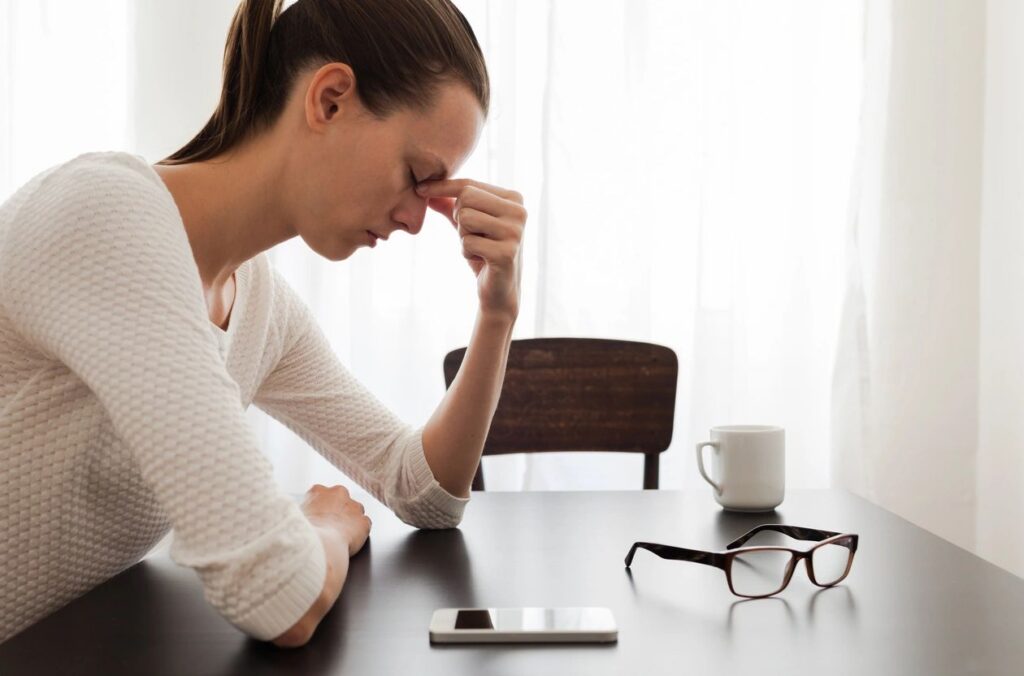
When you are stressed out, it affects you in ways you might not realize. Certain afflictions may feel like you are sick, but it may be a result or side effect of stress. You need ways to release stress. Stress in short-term situations can be beneficial – the fight-or-flight reflex can force you to make a decision, or meet a deadline, or snap out of a funk, for example. Constant, long term stress feeds on itself. The brain rewires itself.
If you feel anxious, have tight muscles, clench your teeth or jaw, get stomach aches, get headaches, have daily diarrhea, have cold blue fingertips, get high blood pressure, have a foggy brain and can’t concentrate, constantly fidget, or some other stressful-type issue, then you should work on the stress and not just the symptom. If you only cover up the symptoms, you stay stressed and may get other symptoms.
How to help get stress release (there are many more ways to relieve your stress, but try any of these to start):
Try to calm yourself down. Count to 10 or so before reacting.
Breathe deeply. Hold for some counts and let it out slowly.
Visualize blood flow going to your fingers and toes – try to “will” the blood to flow there. Imagine warmth to the tips of your fingers and toes. This was a stress release exercise I was told to do in biofeedback training.
Listen to calming music – whether classical, or mellow, or piano… pick music that soothes you OR makes you want to dance wildly and yell. Sometimes you do need to dance to get stress relief, however. Just get energy out until tired.
Tense your muscles then release and let go slowly. Clench your fist tightly for a bit, then slowly let it relax. Tense/let go of your fingers in your hand, your arms, your legs…move to different areas of tightness. You can usually feel stress release after a few days of trying this, if not immediately. I was taught this in bio-feedback training.
Get a mouth guard for the top teeth to prevent grinding (your dentist can mold a well fitted one if you need better support). If you have jaw pain or pain to the side of your eye, see your dentist.
Take a walk in nature – notice trees, flowers, birds, squirrels, streams, and everything you can. The beauty of nature can help. Touch the ground.
Drink calming teas – chamomile, peppermint, valerian or such.
Cut back on coffee and caffeine so you do not get too wired.
Pray if you believe or meditate to clear your mind.
Treat yourself to a reward after making progress. Maybe a cookie, maybe a ½ hour show, maybe listen to a favorite song – something that gives you pleasure.
Let yourself cry to release some tensions and get stress relief.
Take care of yourself – keep showering and get dressed daily. Pamper yourself with lotions and oils.
Exercise and do yoga. Get the heart rate going and work on muscle groups. Yoga also works the mind. Walk or bike or run. Just get moving.
Visualize a peaceful scene or time – playing with your kids or your friends long ago, relaxing in the mountains or on a beach, seeing peaceful snow falling, imagining your mother hugging you…whatever makes you feel at peace.
Eat nutritious organic foods – mostly produce. Add a protein and whole fat. Take probiotics.
Play an instrument and re-engage your brain differently. Paint or draw. Journal. Write down your stressors you are holding in and get rid of them.
Don’t “catastrophize” – don’t try to think forward with doom – take control of what you can. Change the way your brain is wired to try positive thoughts over negative ones. Learn lessons from previous events and ways – good lessons forward, bad lessons not to repeat.
Get involved with others – call, zoom, FaceTime – connect with facial expressions and body language. If you can meet, do – or walk together in fresh air and talk.
Play with your pets and with chidren. They need and love you. Pets have a calming effect.
Check your blood pressure – when calm, then again when stressed – see if you work yourself into a dangerous level when stressed. The average adult BP is in 120/80 range. It can fluctuate either way from there some amount, but your best gauge is getting a baseline reading when calm and compare to level when stressed. Then try any above tool and bring down the stress level and check the BP again later.
If you cannot get control of the stress feelings, please talk to your doctor, and get an appointment with a counselor or more preferably a psychologist, if a deep issue is keeping you from functioning.
Stress can cause many issues, and you might not realize it is stress that is causing the symptoms. Try some of the above calming strategies to get a handle on stress and other areas of health may recover on their own.
P.R.
Email me any comments to post!