
My Back Health – Your Back Health – maybe I can help you
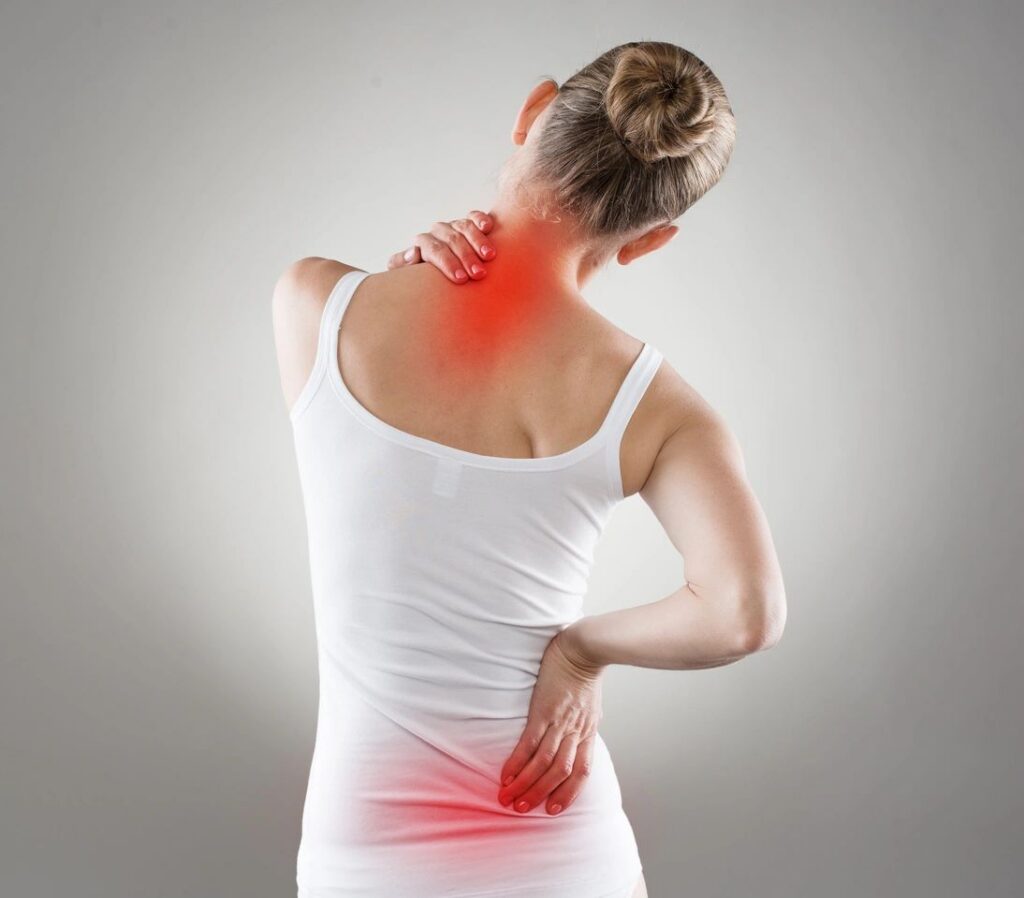
I’ve been plagued with back pain for many years, off and on. With aging, it’s been more persistent and worse. I’ve been learning what to do to help and manage for back pain relief. I will share my secrets with you. My back health is improving.
I had an accident with my back many years ago. During physical therapy, to get me functional again, it was discovered I also had scoliosis. The therapist worked on that to help me minimize its effects. As years went by, there has been an increase in pain and difficulty sitting for long. I had a facet joint injection procedure done a few times, but it’s just a temporary band-aid fix. The medications prescribed aren’t what I want for the rest of my life, especially opioids. Back spasms may need a muscle relaxant, depending on severity.
I searched for better ways to manage the back pain, spasms, and strength. The holistic methods are much better and more sustainable for back health. Below are my lists of what I do, and what I recommend if you want to strengthen and maintain your back strength and comfort, giving you back pain relief. You should do these, to build up your back health and strength before you have more issues.
In the car – make sure you have a lumbar support in the small of your back, to support the curve, like a roll pillow. Use a seat lift cushion – car seats dip down toward the back – the seat should be level. A wedge cushion puts your back in the proper sitting position, not dipped back into the bottom of the back of the seat. Adjust your seat so you have your view in front, your hands straight ahead on the steering wheel. Keep your free foot in a similar position as the driving foot – to balance your posture.
When sitting – try to use a chair that has a firm straight back, with a lumbar support – a roll pillow is great to put behind you. An open back chair doesn’t allow lumbar support, nor does a chair that curves out from side to side. I have used a roll of paper towels if I don’t have a roll pillow (a rolled-up towel or jacket works too).
Keep good posture – head and neck up, back erect (not sluggish or drooping), shoulders back.
Keep your hands straight out when using a keyboard. The screen should be at eye level. Knees should be bent comfortably at close to 90 degrees.
Do stretches every day, and yoga poses are good. Walk or ride a bike. Running may be hard on your back, as it is on mine, pounding the discs with each step. When walking, keep head and neck erect, pull up your butt forward to tilt the pelvic bone forward, and keep shoulders back. Make sure to use the outer foot muscles rather than the inner muscles – look at your wear pattern on the bottom of your shoes, to correct and balance your steps. Hopefully wear will be more even across the shoe bottom – but do check the bottoms and replace the shoes if worn. As one PT told me – “motion is lotion.”
Back care aids and supports are great to help keep you in position, to help with support, to help with posture, to help with pain – see what works for you!
The stretches – work on back strength, shoulders, neck, knees, pecs, hamstrings, psoas muscle, piriformis, legs, hips, and all areas you may feel tightness in, or pain. Stretching may start out uncomfortable, but it gets better as you keep working the muscles. Your back depends on a network of muscles to work together – so you should work all these muscle groups.
I stand on a gel mat when in the kitchen, and in the bathroom. It’s so much better for the back than standing on a hard floor.
I have been going to a chiropractor on an as-needed basis. The cracking is a release of gas when a re-alignment is done. The more you exercise and stretch, the better you hold the adjustment.
I have been going to acupuncture, as well – she works on the muscle memory of pain. Once your muscles can let go of a pain pattern, you can get comfort. You need to stretch between sessions to help it work.
Go to physical therapy if needed – learn the proper stretches to do, to help the healing. Continue to do the stretches between sessions – don’t just wait to do them at PT – you’ll improve much faster. I’ve gotten similar exercise equipment, or rigged up my own, to mimic what I can do at home. Rehabilitation and therapy aids can be used at home.
I have a large exercise ball to do various exercises and stretches on.
I go to a therapeutic massage session occasionally. For the best effect find a therapeutic massage therapist – it is a better choice of massage to pinpoint the problem areas as they understand the full anatomy. Then your muscles that need work and relate to other muscles will be strategically worked.
At every doctor or therapy session – ask what you can work on, at home. They will usually be happy to give you a specific area stretch that will help you. This includes PT, acupuncture, doctor and specialist, massage, chiropractor, and all. I also ask what the doctor or therapist can tell me about my areas – tightness or improvement.
I’ve been taking supplements and eating foods that are anti-inflammatory. I’ve been avoiding foods that are inflammatory (avoiding sugars and carbs).
I’ve started an enzyme regimen – for pain control.
I use an infrared heating pad – it’s good for the back and other areas. The heat can penetrate deeper into tissue than an electric or moist heating pad – for more comfort and longer relief. I use a Far Infrared Heating Pad. An infrared heating pad works best for me – it can get deeper into the muscle than an electric pad, for far better results. It can penetrate up to 2″ below the skin surface. It warms the muscles and gets healing blood flow going. The blood flow increase can up to triple, so healing begins by flushing toxins out, and delivers nutrients and oxygen to the area of needed repair. You may feel better for several hours after the heat therapy.
I apply cold and heat to the back – alternating. Both are good therapies.
I sleep on my side with a pillow between my legs, to keep the knees and feet apart, to get pressure off the spine.
I keep a small roll pillow to place as a lumbar support, when there isn’t any, or the support isn’t good enough. I’ve been known to use a roll of paper towels, or a rolled-up towel, as well.
I use a TENS electrotherapy unit, placed in strategic areas to manage pain.
An inversion therapy table is useful for many – it gets the stress off of your back. I hang and stretch several times a day – to decompress. I hang on a bar that is anchored over a door.
I use a Theracane to work areas that I can’t reach, and to work on my levator scapulae muscle (my shoulders get painful when the levator scapulae is tight, so I like to work on it, because shoulder pain is awful).
A standing desk is also a great option – to keep from sitting for long periods. You can stand, move around, and take some steps. It also brings your work to a level that doesn’t make you bend or slouch down.
I also used a different type of chair at work to get the pressure off my back. There are many great choices in chairs now.
It is important to try to maintain an optimal weight – to help your back deal with the load it is carrying. Strengthen your pectoral muscles if you have larger breasts so those muscles can hold the weight.
All this and more – helping keep my back in better health. My back health is improving – back pain is improving.
Even with improvement, I found from X-rays and MRI’s that the back was degrading, and I need surgery (I also was getting numb fingers).
P.R.
Email me any comments to post!
Herbs and Supplements – help for pain
Keep Your Head Up – No Text Neck
Do Stretching Between Physical Therapy Sessions