- Home
- About
- Blog
- Family/Pets
- Elderly and scams
- Adult Child Relationship
- Seniors and Facility Care
- Memory Issues When Aging
- Remind Seniors What to Do
- elderly need routines
- Seniors Need People
- Neurological Testing
- Who’s Judging Whom
- ASK PARENTS FOR STORIES
- Dementia Dad vs Dad
- Elderly Romance and Care
- Elderly Get Junk Mail
- Power of Attorney Seniors
- Senior to Quit Driving
- Facility and Sickness
- Threatening Mail
- Supportive Staff in Home
- Find the Right Facility
- Just Saw Dad
- Play With Your Pets
- Lumpy Dog
- Pet no-no's
- No Leftovers for Dogs
- Dog Teeth Care
- Training Your Dog
- Dog Probiotics
- Dog on Prednisone
- Dog Fell
- Dog Seizure
- Christian
- How to Pray
- Volunteer & Take Classes
- Artifacts
- Easter Unending
- Faith
- Twins
- I Want
- Prayers Answered
- Lent
- What is Christmas About?
- Cult Bible Study
- God Gives Us the Tools
- Bible is History
- Miracles
- Miracle Stories
- Miracle Stories 2
- Miracle Stories 3
- Miracle Stories 4
- Animal Miracles
- Christian Fun - Jokes
- Christian Fun 2
- Christian Fun 3
Threatening Scam Letters: Understanding the Risks
Threatening Letter With Fine or Imprisonment
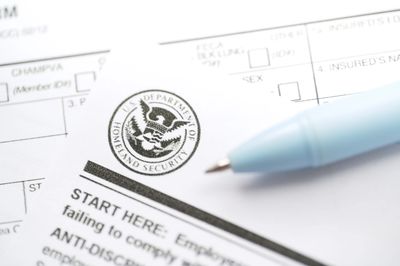
My dad, who has dementia, received a threatening letter from a scammer that used boilerplate legalese typical of government forms. This letter warned him of potential fines or imprisonment, causing him to panic, and we had to calm him down.
The scammer employed language that is often used in elderly scams, referring to being 'guilty of a felony' with threats of severe penalties. Phrases like 'willfully attempts...to evade or defeat any tax' and 'submitting false or fraudulent returns' were included, making it sound legitimate.
Unfortunately, my dad interpreted this scam letter personally, believing it applied to him. Scammers often exploit the emotions of those with dementia and the elderly, pushing them to panic before they have a chance to read the fine print that reveals the truth.
It's crucial not to react immediately. Instead, read through the entire letter carefully to identify any red flags, as it likely doesn’t apply to you. Look for words like 'IF,' which often indicate a scam.
More Articles on Dementia and the Elderly
Don't Get Scammed
PR